
Special Needs Dentistry for Kids in El Segundo, CA

Special Needs Dentistry for Kids in El Segundo, CA
Some kids need more time, more warmth, and a completely different pace to get through a dental visit, and that's completely okay. Special needs dentistry is simply care that's built around your child's sensory, developmental, medical, and behavioral needs instead of a standard fifteen-minute template.
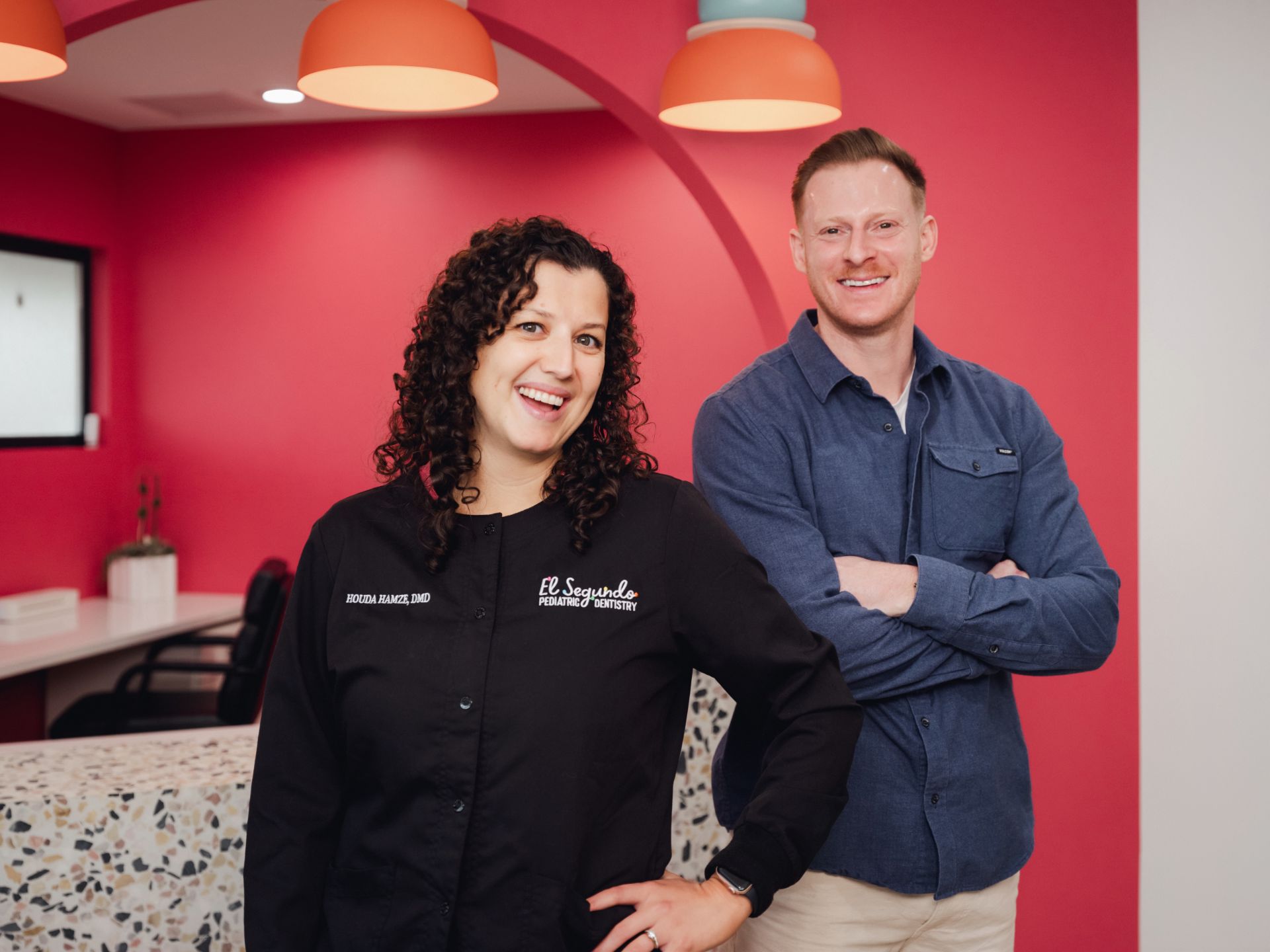
Dr. Hamze and the team at El Segundo Pediatric Dentistry work with children with autism, sensory processing differences, ADHD, Down syndrome, cerebral palsy, medical complexity, and significant dental fear.
Every appointment is planned around what your child can actually handle that day. For some families, that means slow, unhurried visits; for others, it means using sedation so treatment can be completed safely and comfortably in one go.
If your child has been rushed, restrained, turned away, or called "difficult" at another office, we want you to know: you're in the right place.
We'd love to hear your child's story before anything else. Call us at (424) 499-0019 and we'll talk through what your child needs before you ever book.
Quick Takeaways
- Tell us everything up front. Sensory triggers, communication style, favorite music, what set off the last meltdown, what helps them calm down. All of it helps us shape a visit that actually works for your child.
- The first visit doesn't have to involve any treatment at all. Lots of kids start with a simple get-to-know-you appointment (see the room, sit in the chair, meet the team, and head home). No pressure, no procedures.
- Timing matters, just ask. A quieter time of day and a longer appointment block can make a huge difference for a child who needs things to move slowly. We're here Monday through Friday, 8:00 a.m. to 5:00 p.m.
- Sedation is a tool, not a last resort. We offer nitrous oxide (laughing gas) and IV sedation. We'll walk you through which option makes the most sense for your child's age, health, and what treatment they need.
- The best next step? A conversation with Dr. Hamze about your child, before anything gets scheduled or decided.
How a Special Needs Dental Visit Works Here
1. We start with you, not your child
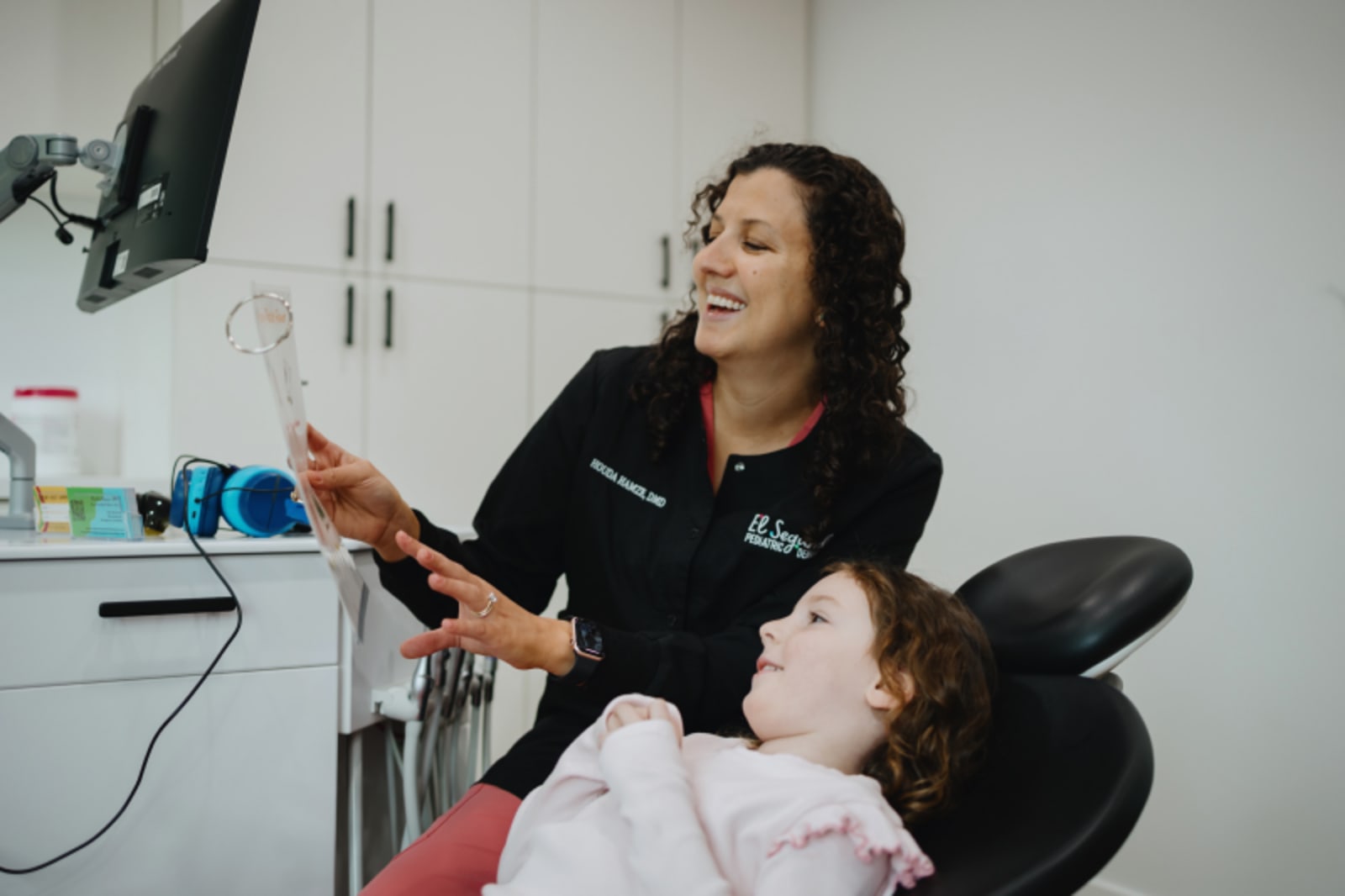
You know your kid better than anyone. Before we even look in their mouth, we want to hear everything: what diagnoses they have, what medications they take, how they communicate, what positions are comfortable, and what happened at the last dental office. If your child does better with a picture schedule, or can only handle two minutes before needing a break, all of that goes in the chart so we're ready before they walk in.
2. Then we meet your child exactly where they are
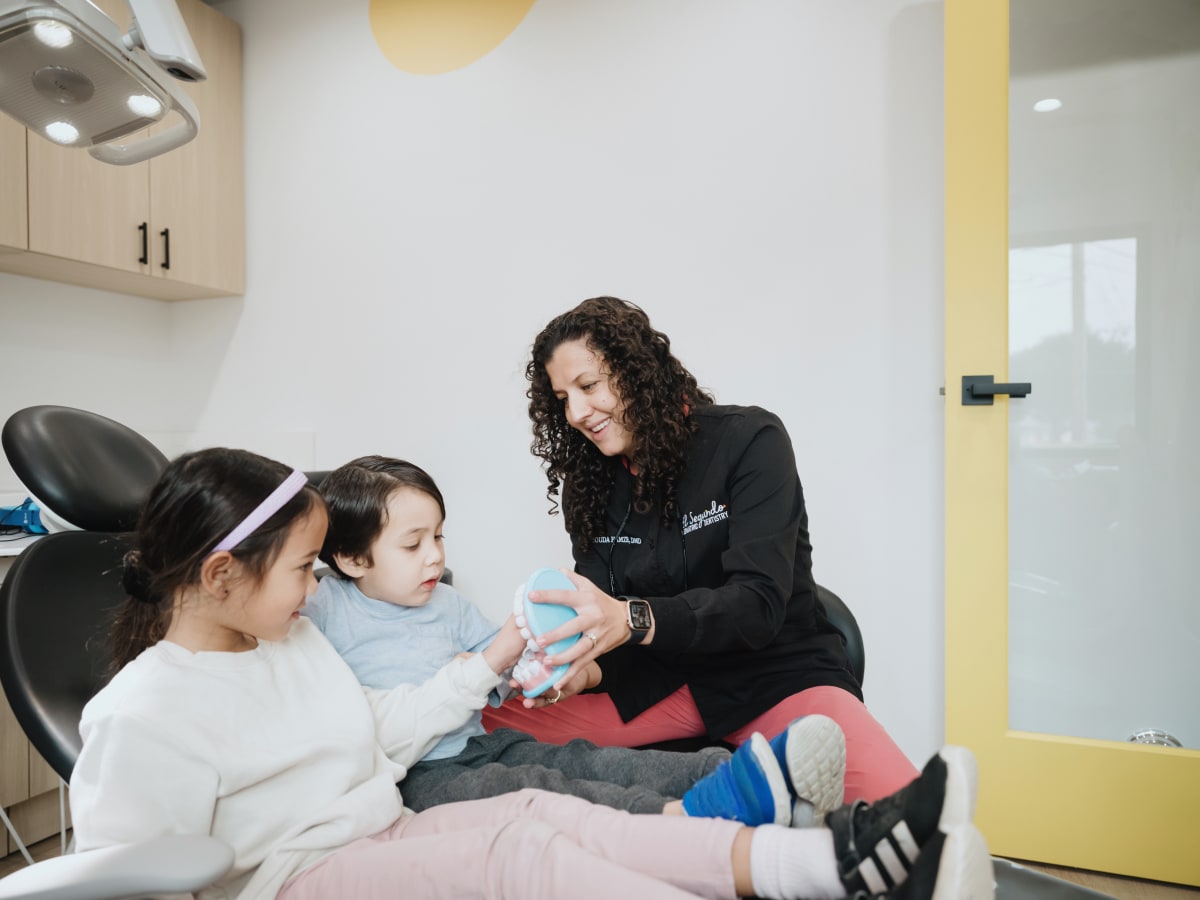
For some kids, the first visit is a full exam and cleaning. For others, it's a tour of the treatment room, a ride in the chair, and letting us count their teeth with a finger, and nothing more. We follow a simple approach called tell-show-do: we describe what we're about to do, show your child the tool, and only then gently try it. Nothing happens without warning, and nothing gets forced.
3. Getting a clear picture of what's going on
When your child is ready for it, we take digital X-rays (they use very low radiation and give us a much clearer view than what we can see with the naked eye). Combined with a thorough exam, they help us spot things like cavities, airway concerns, and how the teeth are developing. If a full set of images isn't possible that day, we'll tell you that honestly rather than guess.
4. Planning around your family, not around the schedule
Once we know what's going on, we'll walk you through it in plain language: what needs attention now, what we can keep an eye on, and what your options are. If sedation makes sense for your child, we'll explain why. If it doesn't, we'll say that too.
5. Then we carry out the plan, exactly the way you agreed to it
Whether that means a series of short, low-key visits or one longer appointment under sedation, you'll know exactly what to expect before it happens. We keep you in the loop at every step, no surprises.
What This Approach Actually Does for Your Child
- Catching a small problem early means a simple filling, not an infection and an emergency visit. That's the visit we'd much rather help you avoid.
- Your child can actually get comfortable with dental care over time. Kids who are given patience instead of pressure often surprise their parents by what they're willing to do on the third or fourth visit.
- Healthy, comfortable teeth make eating and talking easier, which is a big deal for kids who already put extra effort into feeding, chewing, or speech. For some children, that also means taking a look at whether a lip or tongue tie is part of the picture.
- Baby teeth matter more than most people realize. They hold space for the adult teeth coming in behind them and shape how the bite develops, so keeping them healthy now protects your child's smile years down the road.
- We also look at how the airway and jaw are developing, which can be especially important for kids who snore, breathe through their mouth, or have trouble sleeping.
Is This the Right Fit for Your Child?
If a standard dental appointment has ever felt impossible, or just really, really hard, this is likely the right place. We see kids whose needs make a typical fifteen-minute visit genuinely unworkable, including children with:
- Autism spectrum disorder or sensory processing differences, where the lights, sounds, textures, or just being in a new space can be completely overwhelming.
- ADHD, where sitting still and following a string of instructions is a real challenge, not a behavior problem.
- Down syndrome, cerebral palsy, or other conditions that affect how your child is positioned, how their muscles work, or how much support they need during care.
- Nonverbal or limited-verbal communication, because "tell me if it hurts" only works if your child can tell us.
- Serious dental fear, especially if a past appointment went badly and left a mark.
- Medical complexity that means we need to loop in other providers and think carefully before we do anything.
- A lot of decay at a very young age, with several teeth that need attention at once.
We'll also be honest when a different setting makes more sense. If your child has a serious medical condition that makes sedation risky in an office setting, a hospital operating room with a full anesthesia team is the safer call, and Dr. Hamze will tell you that directly.
And if your child is already comfortable in the dental chair, they don't need a specialized approach at all; regular check-ups and cleanings are the right fit for them.
Timeline and What to Expect
Every child starts from a different place, so there's no one-size-fits-all schedule here. But here's a general sense of how things tend to unfold:
- The consultation: usually one appointment that's mostly conversation. We get to know your child, hear your concerns, and (if your child is up for it) take a gentle look inside.
- Desensitization visits: for kids who need a slower warm-up, we schedule two to four short visits over a few weeks. Each one adds just a little more. No pressure, no rushing.
- Routine care: once your child is comfortable, we move into regular check-ups and cleanings every six months. That's how we catch small issues before they turn into bigger ones.
- Treatment under sedation: when sedation makes sense, we typically complete everything in one appointment so your child isn't going through multiple procedures on separate days. We'll do a health review beforehand, and our options range from nitrous oxide (laughing gas) all the way to IV sedation.
Some kids do best getting everything handled in one sedated visit. Others do better with short, low-key appointments spread out over time. There's no wrong answer. It really comes down to your child's personality and how much treatment they need. That's exactly what the first consultation helps us figure out together.
Before the Visit, and the Day After
Before the appointment
Before you come in, send us your child's medical history, medication list, and any notes from therapists or support staff. The more we know ahead of time, the better we can prepare. On the day of the visit, bring whatever helps your child feel safe (headphones, a weighted lap pad, a tablet, that one specific stuffed animal). If practicing at home helps, try brushing in the same position you'd use at the dentist, or watch a short video about a dental visit together. And when you talk about the appointment, keep it simple and calm. Kids pick up on our nerves faster than our words. If nitrous oxide is part of the plan, we'll give you clear instructions about eating and drinking beforehand. Those guidelines are there for your child's safety, so they're important to follow exactly.
After the appointment
If your child had nitrous oxide (laughing gas), they'll likely feel totally back to normal within minutes. It clears out of the system fast. After nitrous oxide, expect a sleepy, wobbly kiddo for the rest of the day. Plan for soft foods, plenty of fluids, close supervision, and a low-key afternoon at home. If we did any fillings or extractions, we'll walk you through what to watch for, including the classic: kids will absolutely chew on a numb lip if you're not watching, so we'll make sure you know how to handle that. We'll also let you know what level of soreness is normal and when to call us.
Once you're home, the everyday routine is honestly the most powerful thing. Brushing twice a day with fluoride toothpaste (and helping your child until they can really do it well on their own) makes a bigger difference than anything that happens in our chair. Every kid is different, so find what works: an electric brush for kids who love the vibration, a manual one for kids who don't, brushing in front of a mirror, in the bath, or with their head in your lap. Whatever gets it done consistently is the right answer. We're happy to help you figure out what that looks like at your next visit.
Cost, Insurance, and Payment
There's no one-size-fits-all price here, because every child's needs are different. Cost depends on how many teeth are involved, what kind of treatment is needed, and whether sedation is part of the plan. As a general rule, sedation does add to the cost (IV sedation runs higher than nitrous oxide), but we'll walk you through all of that before anything is scheduled.
If you have dental insurance, our team will help you figure out what your plan covers and what you'd be paying out of pocket. Payment options get covered in that same conversation, because the last thing you should be is blindsided by a number after you've already said yes to a treatment plan.
Why Families Choose El Segundo Pediatric Dentistry
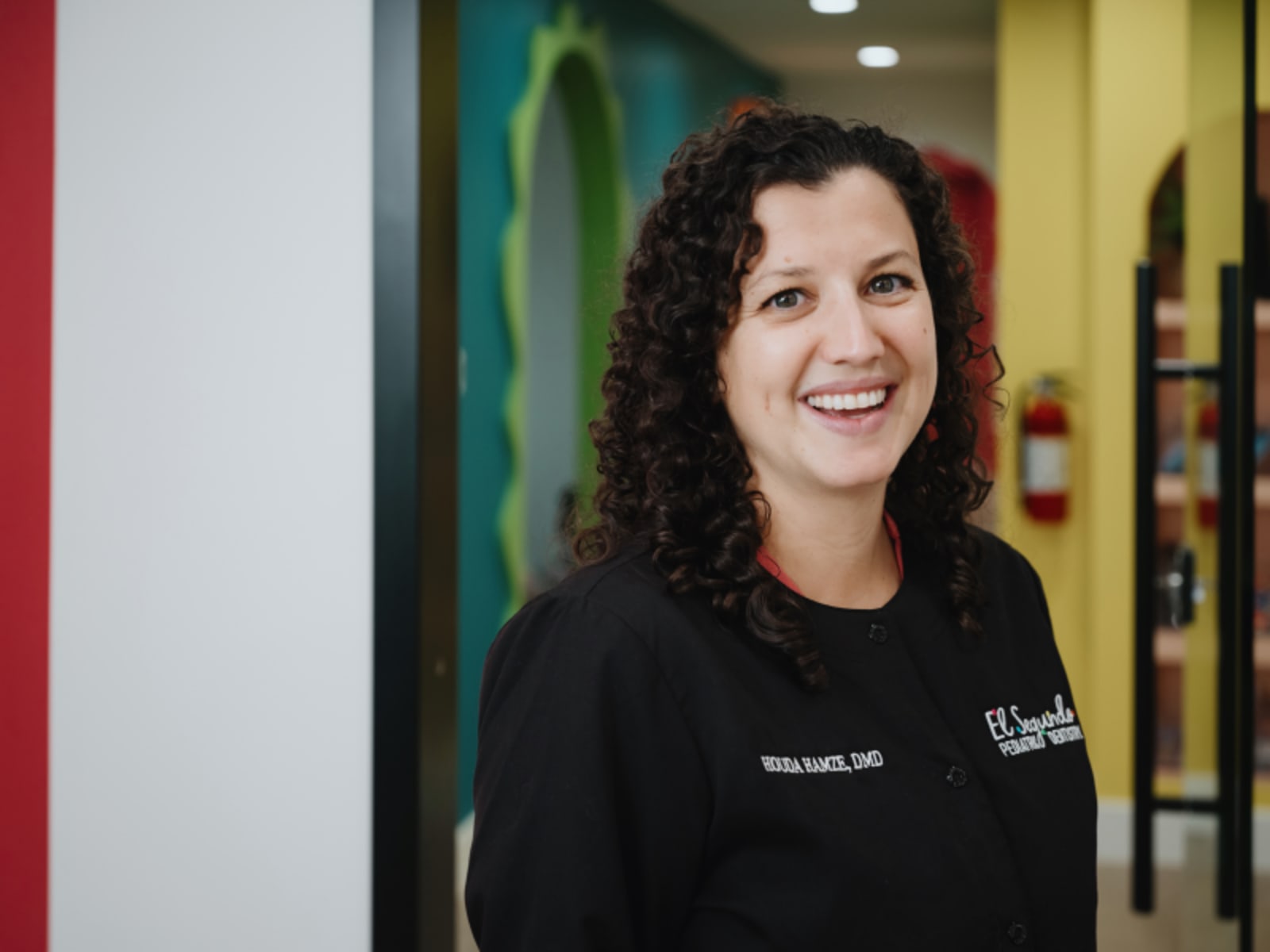
Dr. Houda Hamze, DMD, is a board-certified pediatric dentist, which means she's completed specialized training beyond dental school specifically focused on kids. She went to Cal Poly San Luis Obispo for undergrad, earned her dental degree at Tufts University School of Dental Medicine, and then did a two-year pediatric residency at NYU Langone. Since then, she's worked in private practice and in community settings where kids often came in with complicated histories, delayed care, or difficult experiences at other offices. She's also a mom to four kids and the second oldest of seven siblings. She genuinely knows what it's like to be on your side of this.
Here's what makes this office different:
- Your child isn't a number here. This isn't a high-volume practice where appointments are rushed. Every visit is planned around your individual child.
- Everything here is built for kids. The space, the team, and the equipment are all pediatric-focused, from infant exams all the way through the teen years.
- We're connected in the community. We're known in El Segundo for treating tethered oral tissues (lip and tongue ties), and we work closely with pediatricians, lactation consultants, and myofunctional therapists. That same collaborative approach applies to complex cases of all kinds.
- Sedation is available right here. If your child needs sedation to get through treatment comfortably, we offer IV sedation administered by a pediatric anesthesiologist in-house. You won't be sent somewhere else to figure it out.
- We're easy to get to. We're right on Center Street in El Segundo, open Monday through Friday, 8:00 a.m. to 5:00 p.m.
Frequently Asked Questions
My child is nonverbal and has never allowed anyone near their mouth. Can you still help?
Yes, and this is actually a very common starting point. We'd plan a first visit with zero treatment goals: just getting familiar with the space, the team, and the chair. Tell us how your child signals discomfort so we can read their cues accurately. Our general pediatric dentistry visits move entirely at your child's pace.
Do we have to use sedation?
Not at all. Plenty of kids with special needs get through their care with time, patience, and nitrous oxide, or no sedation at all. We only recommend sedation when the amount of treatment needed truly can't be done safely or comfortably while your child is awake. We'll always explain why we're suggesting it and what the alternative looks like if you'd rather wait. Read more about how we approach sedation dentistry before you decide.
How do I know a big treatment plan is legitimate?
Ask to see the X-rays and photos, and ask what would happen if a particular tooth were watched instead of treated right now. We'll walk you through exactly what we're seeing and why we're recommending what we are. Second opinions don't offend us. A parent who truly understands the plan is a much better partner in their child's care.
Can I stay with my child during the appointment?
For most visits, yes. Many kids with sensory or developmental needs do far better with a parent in the room, and honestly, you often know how to help in ways we can't anticipate. Sedation appointments do have specific safety protocols, and we'll walk you through those ahead of time.
What if my child melts down and we can't finish?
Then we stop. No pressure, no pushing through. A visit that ends on a calm note is worth so much more than a completed one that leaves your child dreading the next appointment. We'll regroup, talk through what happened, and come up with a different approach together.
How often should my child come in?
Some kids need to come in more often than the usual every-six-months schedule. Cavities that are actively getting worse, a history of frequent decay, or a medical condition that raises their risk can all mean more frequent visits make sense. Dr. Hamze will tell you exactly which category your child falls into after the exam and explain why.
Let's Talk About Your Child's Dental Care
No one knows your child better than you do, and that's exactly where we want to start. Tell us what makes appointments tough, what's helped in the past, and what you're hoping we can make possible together. Dr. Hamze will take it from there and build a plan that actually fits your child.
Give us a call at (424) 499-0019, or stop by at 502 Center Street in El Segundo. We're here Monday through Friday, 8:00 a.m. to 5:00 p.m.
We can’t wait to meet you!
Call 424-499-0019 or request an appointment online to set up your first visit. We’ll be in touch soon.