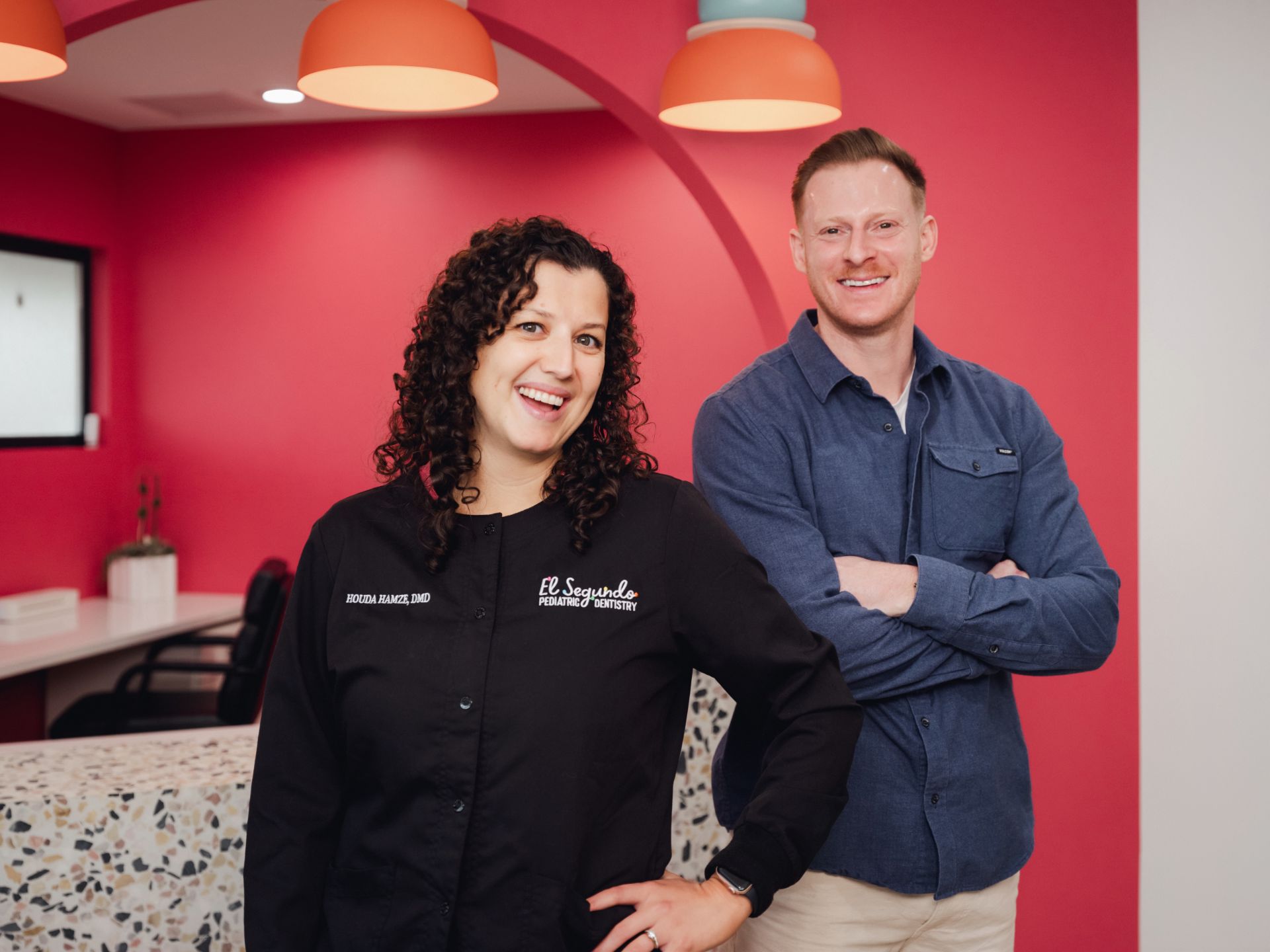

Kids Sedation Dentistry in El Segundo, CA
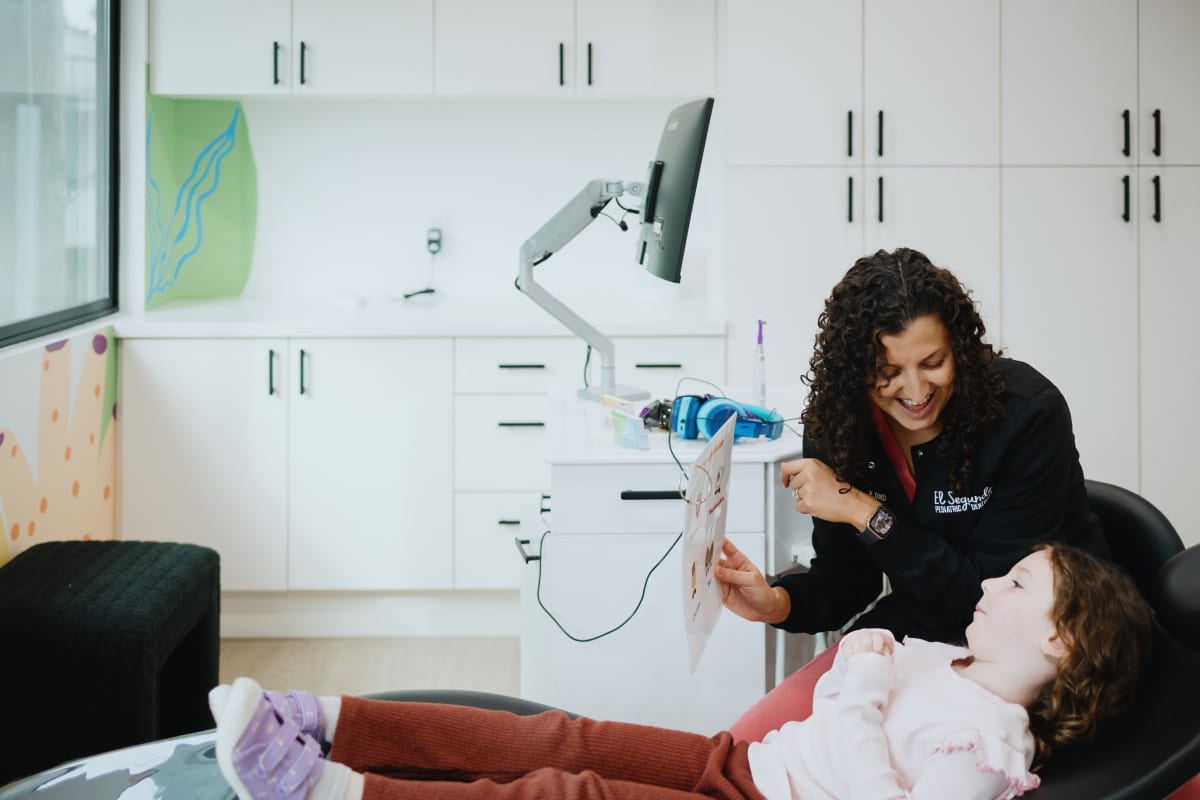


Kids Sedation Dentistry in El Segundo: Comfortable Care for Little Ones Who Need Extra Support
Sedation dentistry uses safe, carefully monitored medication to help your child stay calm and still, so treatment can actually get done without it being a stressful ordeal for anyone. Dr. Hamze and the team at El Segundo Pediatric Dentistry offer several levels of sedation, from laughing gas for a wiggly, nervous kiddo to IV sedation for bigger treatment plans.
If you just learned your two-year-old has cavities on nearly every tooth, you're not a bad parent. You're a parent sorting through a lot of information at once. As a board certified pediatric dentist and a mom of four, Dr. Hamze will walk you through exactly what's going on, what your options are, and why she'd recommend one approach over another, in plain language, not dental jargon.
Quick Takeaways
- Sedation isn't one thing. Ask which level your child needs and why: laughing gas or IV sedation administered by a pediatric anesthesiologist.
- Ask how many teeth actually need treatment and whether any of it can wait. A clear, itemized plan is your right, not a favor.
- Sedation often lets us finish several teeth in one appointment instead of four or five stressful visits.
- Expect fasting instructions before the visit and a sleepy, low-key rest of the day after it.
Ready to get started? Call us at (424) 499-0019 to schedule a consultation with Dr. Hamze. We'll examine your child, review their health history, and give you the full plan and cost before anything is scheduled.
How Sedation Works at El Segundo, Step by Step
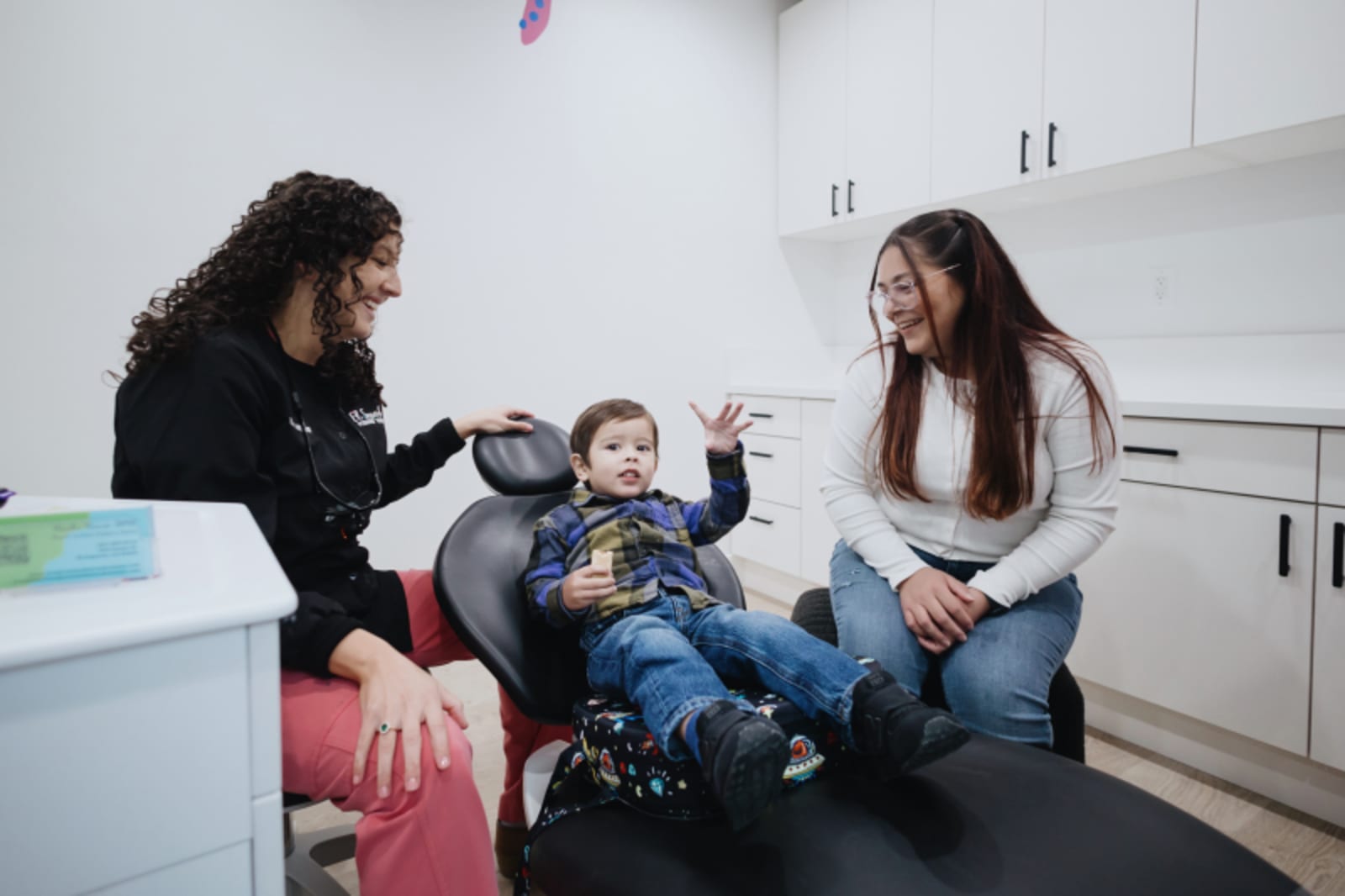
Nothing about this day should be a surprise to you. Here's exactly what happens, from the first visit to heading home.
1. Consultation and health review
Before we even talk about sedation, we take a good look at your child: exam, any needed X-rays, and a conversation about their health history: medications, allergies, how they sleep and breathe, any past surgeries, sensory sensitivities, and how previous dental visits have gone.
From there, Dr. Hamze explains which level of sedation makes sense, what treatment she's recommending, and what she'd choose if it were her own kid. If you'd feel better getting a second opinion first, we mean it when we say go get one. We'd rather you feel confident than rush into a yes.
2. Pre-visit instructions
We'll send you written instructions ahead of time: when to stop eating and drinking, which medications to give or hold, what to dress your child in (loose and comfy is the move), and what to bring along. Pack the stuffed animal. Pack the blanket. Those things matter.
3. The sedation itself
Here's a quick breakdown of what each option actually feels like for your child. Nitrous oxide (laughing gas) is breathed in through a small, soft nosepiece. It has a mild sweet smell, and it wears off within minutes of being removed.
IV sedation is delivered by a highly trained pediatric anesthesiologist through a small line and keeps your child comfortably asleep through the whole appointment, and is typically used for longer or more involved treatment plans.
No matter which option we use, your child is continuously monitored throughout the appointment, including their breathing, oxygen levels, heart rate, and other vital signs. Having a pediatric anesthesiologist involved means your child is cared for by someone with specialized training in administering and monitoring sedation for children.
4. Treatment, all in one go
Once your child is comfortable and settled, we take care of everything that was planned: fillings, crowns, extractions, whatever's on the list. Because your child is calm and still, we can work carefully and thoroughly instead of rushing.
5. Waking up and heading home
If we used nitrous, your child will be alert and chatty before you even make it to the parking lot. With IV sedation, they'll wake up gradually right here in the office, with you close by. We keep an eye on them until they're steady and ready to go, walk you through aftercare instructions both out loud and on paper, and make sure you leave with our number. After that, we'll get your child set up on a regular schedule of check-ups and cleanings so the next visit is just a normal, easy trip to the dentist.
What Sedation Actually Gives Your Child
- Treatment that finally gets finished. Cavities that couldn't be filled because your child was too scared or too young to hold still get taken care of, before they turn into pain, infection, or an emergency.
- Fewer appointments, less stress. Several teeth in one visit means fewer school days missed, fewer days off work for you, and fewer nights of your child dreading tomorrow.
- Most kids walk out with no memory of a hard visit. With deeper sedation, they typically remember little or nothing, which matters a lot for a child who's already had one rough experience in a dental chair.
- Better, more careful work. When a child is calm and still, Dr. Hamze can take her time, whether that's placing a crown, doing a filling, or getting clear X-rays. Rushed dentistry on a scared kid leaves room for mistakes. This doesn't.
Who is Sedation For?

Sedation isn't a default and it isn't a shortcut. Plenty of children do beautifully with a gentle explanation, a countdown, and a high five. Sedation earns its place when the alternative is care that doesn't happen at all.
Kids who usually benefit
- Toddlers and preschoolers with several cavities or crowns needed at once
- Children with real dental fear, often after a rushed or rough experience somewhere else
- Kids with a strong gag reflex who have a hard time tolerating X-rays or instruments toward the back of the mouth
- Children with autism, ADHD, sensory sensitivities, or other needs that make sitting still for an hour genuinely difficult
- Anyone dealing with dental trauma, a broken tooth, or pain that needs careful attention right away
When we'd suggest something else first
If your child only needs a cleaning, sealants, or one small filling, we'll try it awake with a little coaching, a fun distraction, and maybe some nitrous oxide to take the edge off. If your child has certain breathing, airway, or health conditions, we may recommend a hospital setting or loop in your pediatrician before moving forward.
Timeline: What the Day Looks Like
Most families move through this over two visits. The consultation takes about 45 minutes to an hour, which includes the exam, any X-rays, and plenty of time for your questions.
The actual sedation appointment is usually scheduled in the morning, since skipping breakfast is a lot easier than fasting through the afternoon. Depending on how many teeth need attention, plan on one to two hours in the chair.
Recovery is quicker than most parents expect. If your child had nitrous oxide, they'll be back to their chatty self before you even get to the car. IV sedation takes a little longer, so most kids are groggy for a few hours and pretty happy on the couch.
Clear your afternoon and that's really all you need to give up. And if anything feels off once you're home, please call us. Dr. Hamze would much rather hear from you than have you sit at home wondering if something's wrong.
Getting Ready, and Caring for Your Child Afterward
The night before and morning of
- Follow the fasting instructions exactly (no food or drink after the time we give you). It's the single most important safety step you control. If anything about the timing is unclear, call us the day before, not the morning of.
- Keep your own tone light. Kids pick up on our energy before anything else. "We're going to get your teeth all fixed up while you rest" goes a lot further than a long explanation.
- Bring a comfort item, a change of clothes, and a car seat your child can nap in on the way home.
- If your family can swing it, have one adult drive and one sit with your child in the back.
Once you're home
- Start with water and clear liquids, then ease into soft foods: yogurt, applesauce, smoothies, scrambled eggs.
- Wait until any numbness is completely gone before offering anything chewy. You don't want a groggy kiddo accidentally biting their lip or cheek.
- Hold off on running, jumping, and climbing until your child is steady and fully awake.
- A little drowsiness, fussiness, and mild soreness is totally normal. It usually fades by the end of the day.
- Brush gently that evening unless we tell you otherwise, then it's back to the usual routine the next morning.
- If something feels off, or your child has sudden pain or unexpected swelling, don't wait. Call us right away.
- Once your child is back to their usual self, we'll look forward to seeing them at their next check-up.
Cost and Payment For Pediatric Dental Sedation
The cost of sedation depends on which type your child needs, how long the appointment takes, and how much dental work is being done in that visit. There's no one-size-fits-all number, because the price is matched to your situation.
Here's what we do promise: after your consultation, you'll get a written treatment plan that breaks down the sedation and the dental work separately, line by line, so you know exactly what you're looking at before anything gets scheduled.
If you have dental insurance, we'll help you figure out what's covered and handle the claim for you. We'll also talk through payment options and, if it makes sense for your child's care, whether spreading treatment across two visits could make the cost easier to manage.
Why South Bay Families Trust Us With This
Dr. Houda Hamze is a board certified pediatric dentist. Kids are all she does. She trained at Tufts University School of Dental Medicine, completed a two-year pediatric residency at NYU Langone, and has spent years in private practice and caring for underserved communities. When she recommends sedation, it comes from real experience, not a script.
A few things that shape how we work:
- Quality over volume. We keep our schedule intentional so your child never feels rushed. Every visit is planned around them (not squeezed in).
- Diagnosis you can question. We'll show you exactly what we see, walk you through the images, and explain our thinking in plain language. If you want a second opinion, we'll encourage it. We won't take it personally.
- Experience with kids who need a little more. We're known in El Segundo for treating lip and tongue ties, and we work closely with pediatricians, lactation consultants, and myofunctional therapists. That same team-based, whole-child thinking shapes how we approach sedation for kids with medical or sensory needs.
- A mom's promise. Dr. Hamze has four kids of her own. Her promise is simple: to be patient and kind while exceeding your expectations.
Frequently Asked Questions
Is sedation safe for a toddler?
Yes, when it's the right type for the right child. Before we recommend anything, we look at your child's age, weight, health history, breathing patterns (their airway), and how much dental work needs to happen. During the appointment, we monitor your child the whole time, start to finish. And if we ever feel a hospital setting would be safer for your child than our office, we'll tell you that honestly and help you get there.
What's the difference between nitrous oxide and IV sedation?
Think of them as two different levels of calm. Nitrous oxide (laughing gas) is the lighter option: your child stays awake and aware, just more relaxed, and it wears off within minutes of removing the nosepiece. IV sedation is the deeper option we offer, delivered through a small line by a pediatric anesthesiologist that keeps your child comfortably asleep through longer or more involved treatment. We choose the level based on your child and what they need, not a one-size-fits-all approach.
My child supposedly needs crowns on a lot of teeth. Should I get a second opinion?
Absolutely, if something doesn't feel right to you. Trust that feeling. A real exam takes time. You should be able to see the X-rays, understand which teeth are involved, and have someone walk you through the reasoning. We're happy to be your first opinion or your second. Either way, we'll show you everything we see and explain it clearly.
Will I be with my child?
You'll be with your child as we get settled and get started, and you'll be right there when they wake up. During the treatment itself, we'll tell you exactly where you'll be waiting and how we'll keep you in the loop, so you're never left wondering what's happening.
My child has autism and does not do well with new places. Can you work with that?
Yes, and we really mean that. Tell us everything: the sounds that bother them, the textures, the transitions, what helps them feel safe, what tends to go sideways. We can schedule a low-key visit just to see the space before any treatment happens, adjust the environment, and build a plan around what your child can actually handle. Dr. Hamze is a mom of four children and always listens before she plans.
Let's Figure Out the Right Next Step Together
Whether you're holding a treatment plan from another office that made your stomach drop, or you're just not sure how to get your nervous kid through a filling, we'd love to meet you both.
Dr. Hamze will take a look, hear you out, and tell you honestly what she'd recommend. Then the decision is yours.
Call us at (424) 499-0019 or request a visit. We're at 502 Center Street in El Segundo. Come as you are, sticky hands and all.
We can’t wait to meet you!
Call 424-499-0019 or request an appointment online to set up your first visit. We’ll be in touch soon.