
Kids Root Canal Treatment in El Segundo, CA

Kids Root Canal Treatment in El Segundo, CA
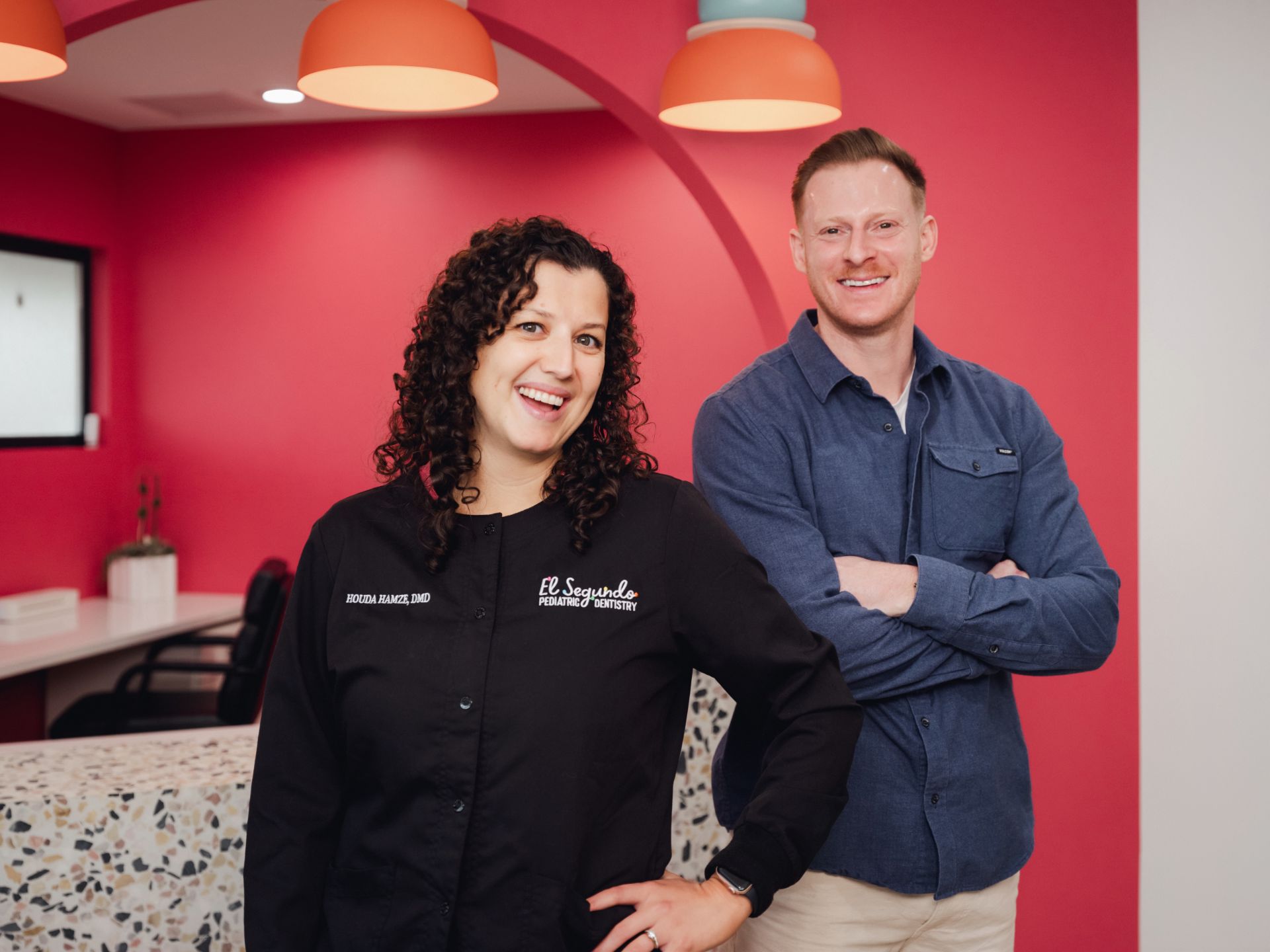
Hearing that your child needs a root canal can stop a parent cold. If you're in that situation right now, here's what matters most right now: this is fixable, and your child is going to be okay. Dr. Hamze and the team at El Segundo Pediatric Dentistry treat baby teeth with deep decay or infection.
When decay or an injury reaches the soft tissue inside a tooth (that's the pulp, the part with the nerves and blood vessels), a filling alone won't fix it. That's where pulp treatment comes in. Depending on how deep the problem goes, it's called a pulpotomy or a pulpectomy, but the idea is the same: remove what's infected, calm the pain, and protect the tooth with a crown so it can keep doing its job.
Most of the time it's a single visit fix, and most kids come through it much better than their parents expected. If your child gets anxious or there's a lot of work to do, we have sedation options that make the whole appointment easier on everyone.
If you're looking at a treatment plan that doesn't quite make sense yet, or your child is in pain right now, call us at (424) 499-0019 or reach out through our contact page. We'll walk through it with you before anything gets scheduled.
Quick Takeaways
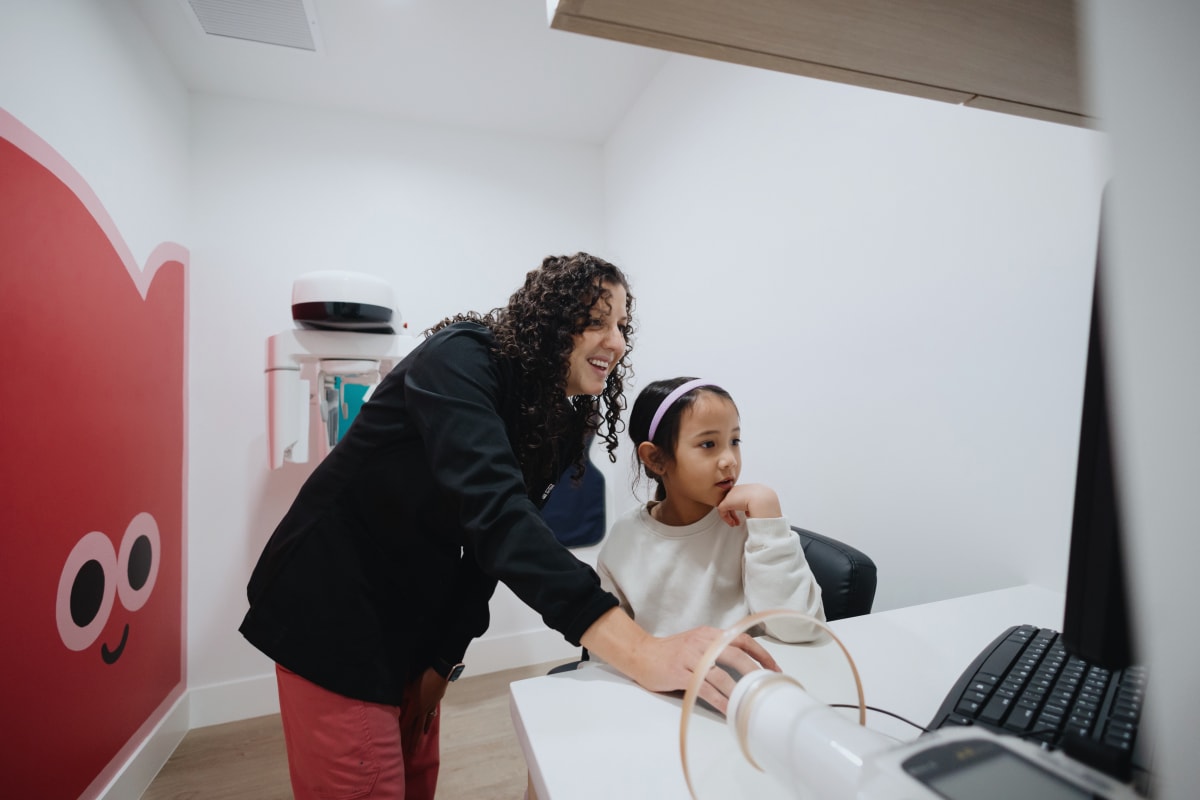
- Ask to see the X-ray. You can look at the image with us and hear exactly which tooth is affected, how deep the decay goes, and why a filling won't be enough. We walk through it together on screen so nothing feels like a mystery.
- Saving the tooth is always the first choice. When a baby tooth can be treated instead of pulled, that's where we start, and root canal treatment is often what makes that possible.
- Comfort is planned ahead of time, not figured out on the day. We talk through the options with you before anything begins (from laughing gas to IV sedation) and pick what fits your child and the amount of work needed.
- Usually just one visit. Most kids are in and out in a single appointment, with a plan you've already agreed to beforehand.
How a Kids' Root Canal Actually Works

Here's how the appointment unfolds in our El Segundo pediatric dental office.
1. Exam and X-rays first, always
We start with low-radiation digital X-rays and take a careful look at the tooth, the gum around it, and the permanent tooth growing underneath. This tells us whether the inner part of the tooth (the pulp, the soft tissue with the nerves and blood vessels) is actually involved, or whether a simpler fix will do the job.
2. Comfort plan, agreed with you
Before anything starts, we figure out together how your child will stay comfortable. That might be a numbing shot and a calm conversation, nitrous oxide (laughing gas), or IV sedation administered by a pediatric anesthesiologist for very young kids or children who have a hard time sitting still for a longer appointment. We walk you through each option in plain language, no pressure, no assumptions, and you make the call with us.
3. Removing the infected tissue
Once your child is fully numb, we gently open the top of the tooth and remove the tissue that's infected or irritated. If it's a pulpotomy, we're only removing the pulp in the upper part of the tooth (the crown). If it's a pulpectomy, we go a little deeper and clean out the root canals too. Your child might feel some pressure or a mild vibration, but sharp pain isn't part of this appointment.
4. Medicated filling to settle the tooth
We fill the space with a medicated material that helps calm any remaining tissue and keeps bacteria from getting back in. Think of it as sealing the tooth from the inside so it can stay healthy.
5. A crown to protect the whole tooth
A tooth that's been treated needs a crown on top to hold up to everyday chewing. Most of the time that's a stainless steel crown, durable and reliable. For front teeth, we have tooth-colored options that blend right in. And once we're done, your child gets to pick a prize from the treasure box, which is honestly the part most kids remember best.
What This Treatment Does for Your Child
- It stops the pain. Infected pulp hurts, sometimes in waves at night. Treating it gets to the source instead of just masking it.
- It saves the space for the grown-up tooth. That baby molar is holding a spot for the permanent tooth coming in underneath it, usually somewhere between ages 10 and 12. Losing it early can throw that off.
- It keeps eating and talking normal. Kids rely on the teeth they have. A missing molar affects how they chew and even how they speak, more than most parents expect.
- It keeps the infection from going further. Left alone, an infected tooth doesn't just stay put. The infection can spread into the jawbone and cause swelling that needs a lot more than a dental visit to fix.
- It usually means fewer appointments later. Pulling a tooth instead of saving it often leads to a space maintainer, extra check-ins, and sometimes orthodontic work down the road. Treating it now is usually the simpler path.
Which Kids Are Good Candidates
This treatment works best when the tooth is infected or deeply decayed but still has enough healthy structure left to save — meaning the root is still intact and the permanent tooth underneath isn't about to come in on its own anyway. A quick exam and a set of digital X-rays is usually all it takes to know whether your child's tooth fits that picture.
Sometimes it's not the right move, and we'll tell you that honestly. If the root has already broken down, the infection has spread into the surrounding bone, or the tooth is already loose and close to falling out naturally, pulling it is actually the gentler option. We'll walk you through what that looks like too — it's a much simpler conversation than most parents expect.
Timeline: How Many Visits and How Long
The exam visit
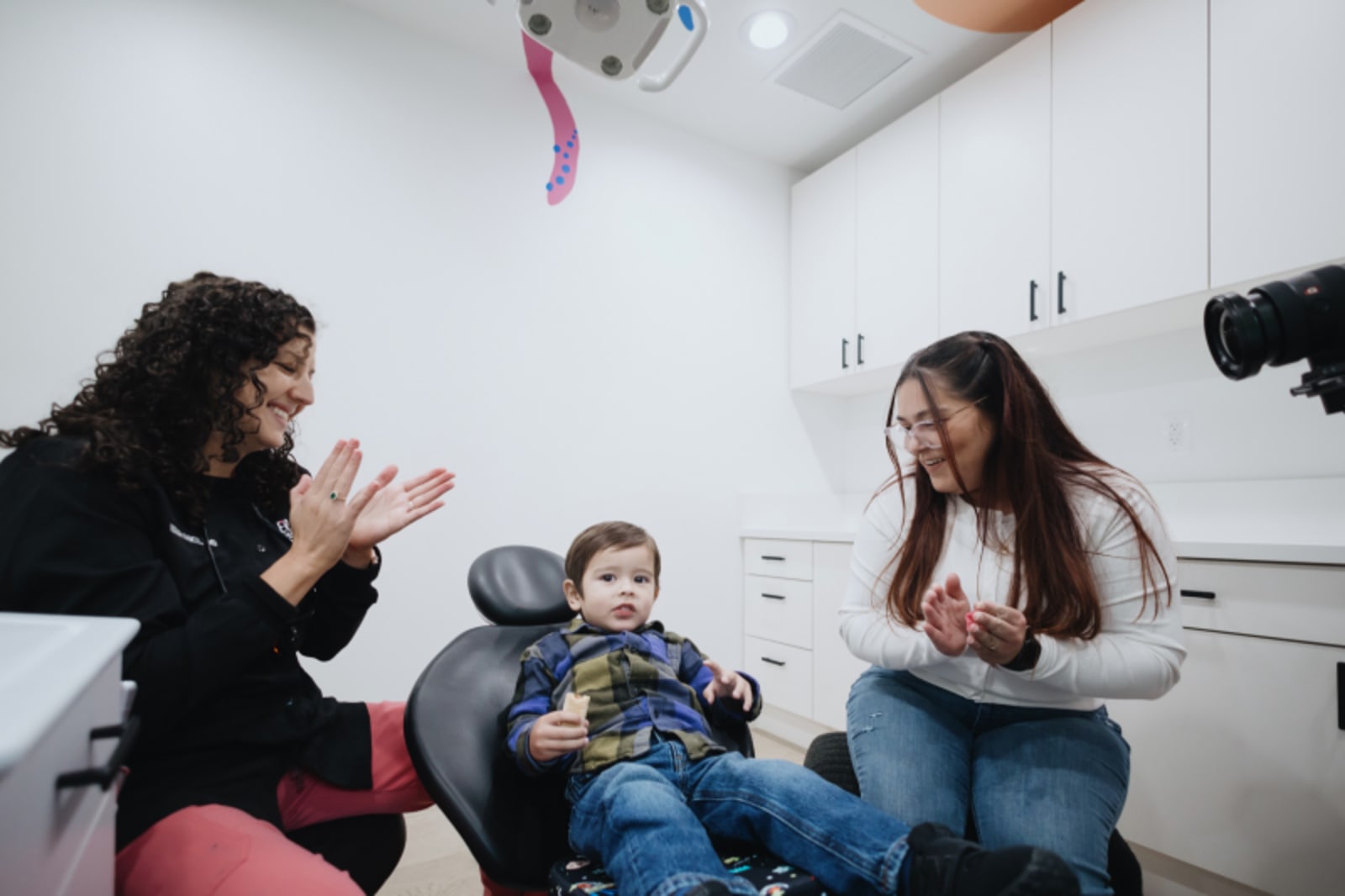
Plan on about 45 minutes to an hour. We'll do the exam, take digital X-rays, and actually sit down and talk through what we found and what your options are. No rushing. If your child is hurting right now, tell us when you call and we'll do our best to get them in fast.
The treatment visit
Most of the time, the pulpotomy and crown happen in one appointment, usually under an hour in the chair. If a few teeth need attention, we'll often take care of them all in one sedation visit so you're not making multiple trips back.
The rest of that day
Plan for a low-key afternoon at home. The numbness usually wears off within two to four hours. If your child had sedation, they'll likely be sleepy and a little wobbly for the rest of the day (totally normal).
Follow-up
We keep an eye on the treated tooth at your child's regular check-ups and cleanings. We want to make sure it stays comfortable and that the permanent tooth coming in underneath is right on track.
Before the Visit and After
Getting ready
When you're talking to your child about the appointment, keep it simple and calm. Something like "the dentist is going to fix your tooth so it stops bugging you" works great. Try to skip the words that tend to scare kids (shot, needle, drill, pull). We have our own kid-friendly way of explaining things, and we'll use it once you're in the room.
If sedation is part of the plan, we'll send you home with specific instructions about eating and drinking beforehand. Please follow those carefully, as it's a safety requirement. Bring whatever helps your child feel comfortable, too. A stuffed animal in the chair is absolutely welcome. And the more you can tell us about your child ahead of time (sensory sensitivities, past tough appointments, what helps them relax), the better we can shape the visit around them.
Caring for the tooth afterward
- Stick to soft foods for a day or so: yogurt, applesauce, scrambled eggs, smoothies (spoon, not straw).
- Keep an eye on them until the numbness wears off. Kids sometimes chew their lip or cheek without feeling it.
- Children's pain reliever (like Tylenol or Motrin) can help with any tenderness. Check the package for the right dose based on your child's weight.
- Brush the crowned tooth like normal, twice a day. The gum around it still needs attention.
- Go easy on sticky candy and chewy treats, which can pull at a new crown.
Keep up with regular check-ups and cleanings so we can keep an eye on the crown as your child grows. And if the tooth is still achy after a couple of days, or the crown feels a little off when they bite down, just give us a call. There's no such thing as a silly question here.
Cost and Payment For Pediatric Root Canals
We'd rather talk numbers early than let you guess. Here's what goes into the cost:
- Which tooth it is, and how deep the treatment needs to go: a pulpotomy (just the top part of the pulp) costs less than a pulpectomy (cleaning out the full canals)
- The type of crown used to protect the tooth afterward
- How many teeth need treatment
- Whether sedation is part of the plan, and which kind
Before anything is scheduled, we'll go over the full cost with you and walk through the payment options we have available. The good news is that because this is treatment your child actually needs, not an optional add-on, most dental plans cover at least part of it, though how much varies by plan. If cost is what's holding things up, just tell us. We'll figure it out together at your consultation.
Why Families Around the South Bay Bring Their Kids Here

Dr. Houda Hamze, DMD is a board-certified pediatric dentist who trained at Tufts University School of Dental Medicine and completed a two-year pediatric residency at NYU Langone. She works exclusively with kids (their teeth, their worries, their specific needs) all day, every day. There are no adult patients here to share the schedule with.
She's also a mom to four, and it shows in how these appointments run. Slower. More explaining. A lot more listening.
Every child gets an individual treatment plan and as much chair time as the work actually takes, instead of being moved through in ten-minute slots. And every level of sedation is available right here in our office, so a nervous three-year-old doesn't get referred somewhere else or told to come back when they're older.
- We welcome second opinions. If a treatment plan from another office doesn't sit right with you, bring it in. You'll see the X-rays and get a straight, honest read.
- Kids with special needs and neurodivergent kids are genuinely welcome. Tell us what works for your child and we'll shape the visit around it.
- We're connected in the community. Dr. Hamze works closely with pediatricians, lactation consultants, and myofunctional therapists across El Segundo and the wider South Bay, which is a big part of why families come to us specifically for lip and tongue tie treatment.
Frequently Asked Questions
Is a root canal on a baby tooth really necessary if the tooth falls out anyway?
When it's still years away from falling out, yes, and here's why it matters. That tooth is holding space for the permanent one growing underneath it, and your child is using it to chew every single day. If the infection is left alone, it can spread into the surrounding bone and actually damage the adult tooth that hasn't come in yet. Now, if the tooth is already close to falling out on its own, we'll tell you that honestly and skip the treatment. And if it does need to come out, we'll walk you through that conversation too. It's more straightforward than it sounds.
My child is only two or three. Can they get through this?
A lot of kids that age do just fine, with the right support in place. Very young children often do best with sedation, not because the treatment itself is intense, but because sitting still for an hour is genuinely a big ask at two or three years old. We'll look at your child at the exam and tell you honestly whether we'd plan for sedation or give it a go awake first.
Will it hurt?
The tooth is completely numbed before we start, so the procedure itself shouldn't be painful. Your child might notice some pressure or a little vibration, and that's normal and expected. Afterward, there's usually some mild soreness for a day or two, and children's pain reliever (dosed by weight) takes care of it well.
How is this different from an adult root canal?
Baby teeth have shorter, thinner roots, and they're designed to dissolve away on their own eventually, so the treatment is built around that. A lot of the time, we only need to treat the soft tissue in the upper part of the tooth (the crown), rather than cleaning out the full root canals the way an adult root canal does. That makes it quicker and less involved than what you might be picturing.
We were told our child needs root canals on multiple molars. Should we get a second opinion?
Yes, and please don't feel awkward about it. Second opinions are completely normal, and we welcome them. Bring any X-rays you already have. We'll do our own exam, show you exactly what we're seeing on screen, and give you our honest read. If we'd recommend less treatment, we'll say so.
What happens if we wait?
An infection inside the tooth won't go away on its own. Over time it tends to get more painful, can cause the face to swell, and often turns a tooth that could have been saved into one that has to come out. Waiting almost never makes the treatment simpler. It usually does the opposite. If your child is hurting, the kindest thing is to get them seen sooner rather than later.
Let's Get That Tooth Feeling Better
You don't have to have it all figured out before you call. Bring your questions, bring your kid, bring the stuffed animal (we mean it). Dr. Hamze will take a careful look, walk you through exactly what she finds, and let you decide what happens next. No pressure, no rushing. If your child is hurting right now, let us know when you call and we'll get them in as soon as possible.
Dr. Hamze is welcoming new patients from El Segundo and the surrounding South Bay. Whether it's a routine check-up or a tooth that's been worrying you, we're here.
Call us at (424) 499-0019 and tell us what's going on. We'll take it from there. You've got this, and we've got you.
We can’t wait to meet you!
Call 424-499-0019 or request an appointment online to set up your first visit. We’ll be in touch soon.