
Airway Problems in Kids: Pediatric Dentistry in El Segundo


Airway Evaluations for Kids in El Segundo: When Sleep and Breathing Don't Seem Right
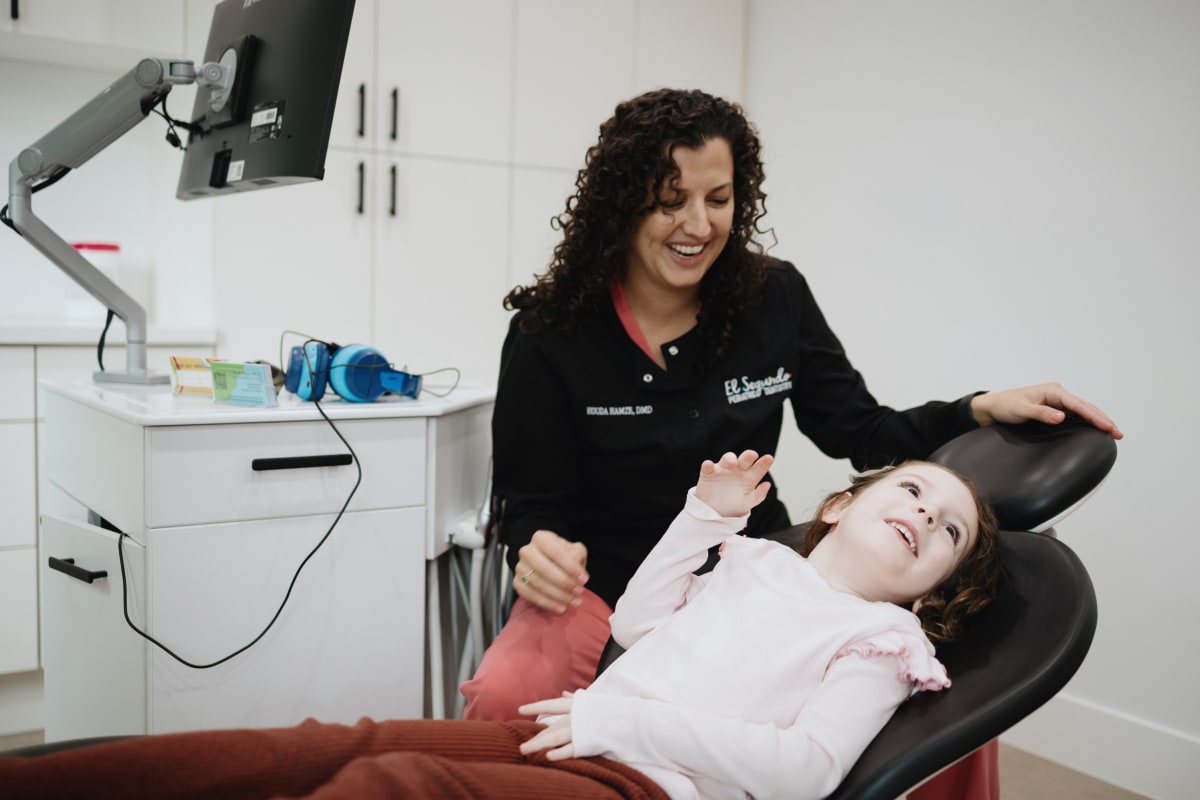
Your child sleeps ten hours and still wakes up exhausted. They snore like a grown-up. Their mouth hangs open while they watch TV. A dentist is actually a great place to start figuring out why. At every visit, Dr. Hamze takes a close look at the jaw, the palate, the tongue, the tonsils, and how the teeth come together.
All of those things affect how well your child breathes. An airway evaluation is simply a closer look at all of it, paired with what you've been noticing at home. Sometimes we find nothing that needs treating. Sometimes we catch something worth addressing while your child's jaw is still growing and easier to guide.
Depending on what we find, the conversation might lead to a tongue or lip tie check, an orthodontic look, or just keeping a closer eye on things at your child's regular pediatric dental visits. If something has been nagging at you, let's just talk. Call us at (424) 499-0019 and we'll find a time that works for your family.
Quick Takeaways
- Note what you've been seeing at home: snoring, mouth breathing, restless sleep, dark circles, or trouble focusing. A suspect pattern is worth a conversation.
- Good questions to bring: What did you find? What could it mean for how my child grows? What happens if we wait?
- An airway evaluation is just a look and a conversation. Nothing is drilled, nothing is treated that day, and nothing moves forward without your go-ahead.
- Kids' jaws are still growing, and that's good news. Catching something early usually means simpler options rather than bigger fixes later.
- We work closely with pediatricians, ENTs, lactation consultants, and myofunctional therapists, so you're not left piecing things together on your own. If a lip or tongue tie might be part of the picture, we can check that in the same visit.
How an Airway Evaluation Works
1. We listen first
You know your kid better than anyone. We start by asking what you've been noticing: how they sleep, breathe, eat, and how mornings go. Parents often apologize for "probably making too much of it." You're not.
2. A gentle, kid-paced exam
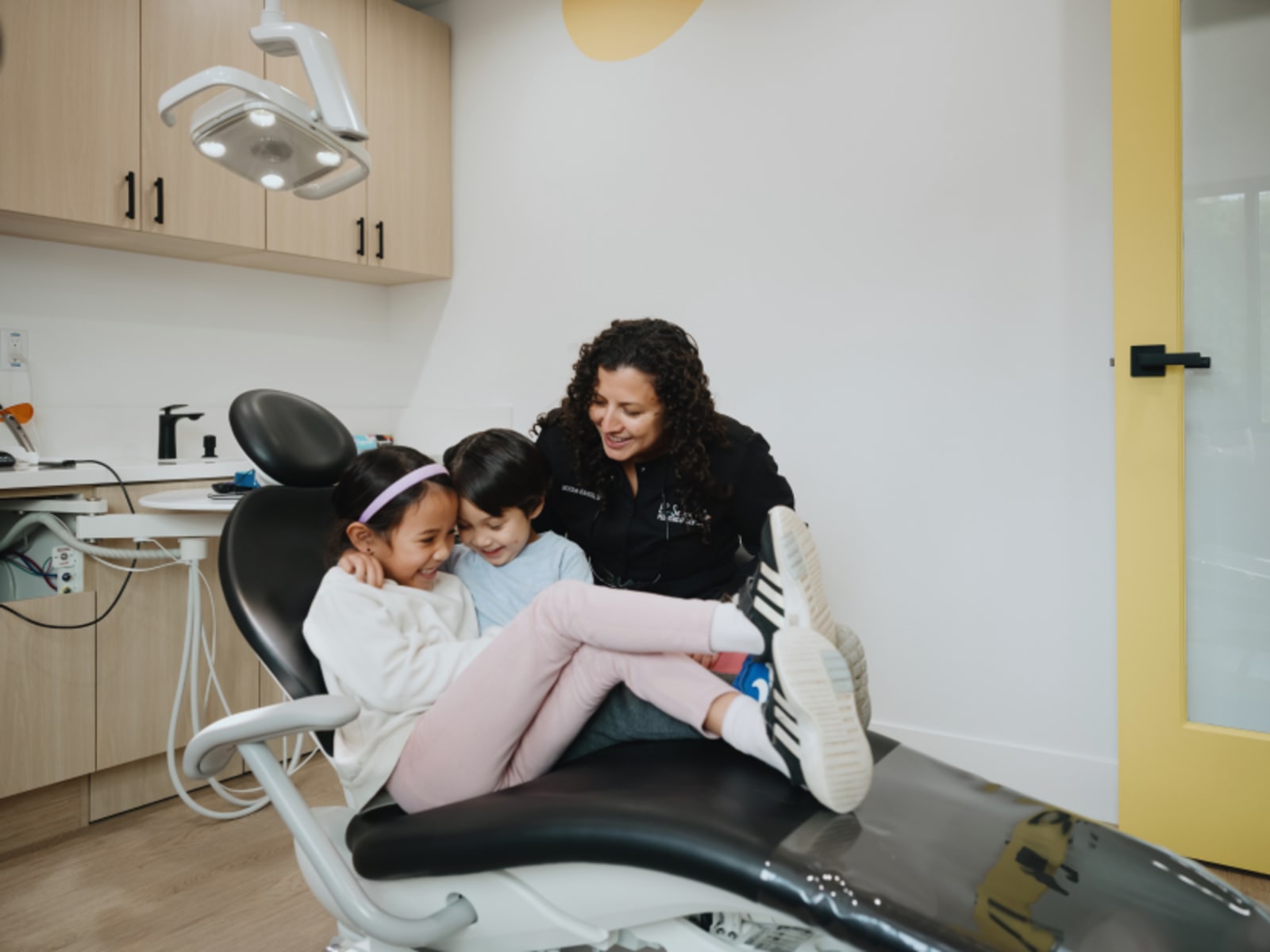
Dr. Hamze checks the upper jaw, the roof of the mouth (the palate), how the teeth are coming in, how the tongue rests and moves, whether a lip or tongue tie (a tight band of tissue that limits movement) might be a factor, and whether the tonsils are crowding the back of the throat. She'll also watch how your child breathes while they're relaxed.
3. X-rays only if they'll actually help
If low-radiation digital X-rays would help us see how the jaws are developing, we take them. If they won't change what we'd recommend, we skip them.
4. A plain-language conversation
We show you what we found and explain what it means in plain terms. If we're not sure about something, we'll say so. Sometimes the right call is simply to keep an eye on things at the next visit.
5. A plan, a referral, or just reassurance
Next steps might mean releasing a tongue or lip tie, working with a myofunctional therapist (a coach who helps your child retrain how they breathe and use their tongue), an orthodontic check, or a referral to an ENT or sleep doctor. Plenty of families walk out with reassurance and a recheck at their next cleaning.
Why Early Attention to the Airway Matters
How a child breathes has a bigger impact on how they grow than most parents expect. Catching a concern while their jaw is still developing can make a real difference:
- Deeper, more restful sleep. Fewer wakeups and less gasping means your child gets the deep sleep their body needs to grow and recharge.
- Better days, too. Poor sleep in kids doesn't always look like tiredness. It often shows up as irritability, trouble focusing, or just being wound up all the time.
- Healthier jaw and face development. When the tongue rests against the roof of the mouth, that gentle pressure helps the upper jaw widen naturally. Mouth breathing takes the tongue out of that position, which can change how the jaw develops over time.
- More room for teeth. A wider jaw tends to have more space for teeth to come in, which can mean less crowding later.
- Easier eating and talking. Tongue movement and lip coordination affect both, especially in younger kids still figuring all of that out.
- Simpler solutions, sooner. A concern that's easy to guide at six can become a much bigger project at sixteen. Earlier is almost always easier.
Which Kids Should Be Evaluated
If something about the way your child sleeps or breathes has been nagging at you, that's reason enough to come in. We'd especially encourage a closer look if your child snores most nights, breathes through their mouth while resting, tosses and turns, wakes up tired no matter how long they slept, grinds their teeth, or always seems stuffed up.
Crowded teeth or a narrow jaw are worth mentioning too. Those can be early signs that things aren't developing quite the way they should. And if your pediatrician, speech therapist, or lactation consultant has already flagged something, we'd love to add what we're seeing to that conversation.
Babies count too. If feeding felt like a struggle, whether that was trouble latching, clicking sounds, falling asleep before finishing, or what looked like reflux, a lip or tongue tie may have been part of the reason.
That's when a small band of tissue under the lip or tongue is tighter than it should be, making feeding and breathing harder. It's one of the things we're known for here in the South Bay, and consultations for lip and tongue tie are complimentary.
Not every child needs this evaluation, and we'll always be straight with you. If your child sleeps well, breathes through their nose, and their teeth have plenty of room, we'll say so. And if something is better handled by another provider, we'll point you there.
Timeline: What to Expect, Visit by Visit
The first visit
It feels just like a regular appointment. We'll talk, do the exam, take images if they'd be helpful, and make sure everything makes sense before you head out. You leave with real answers, not a treatment plan you didn't ask for.
The following weeks
If another provider should be part of your child's care, we handle that connection and share our findings directly, so you're not starting from scratch at every new office. If a frenectomy turns out to be the right next step, we'll walk you through what it involves and schedule it when you're ready.
The months after
Airway care isn't usually a one-and-done situation, and that's okay. Things like myofunctional therapy happen over several sessions. We'll map it all out together so you always know what's coming next.
Ongoing
Even when the plan is simply to keep an eye on things, we check in at every cleaning. Kids grow fast, and something that looked borderline at four can look very different by seven.
Getting Ready, and What Happens After
A little prep goes a long way. Here's what helps before you come in:
- Keep a quick note on your phone for a week or so: nights they snore, nights they toss around, how their mood is in the morning, whether their mouth is hanging open while they watch TV.
- If you can, grab a short video of your child sleeping or breathing. Even ten seconds gives us something real to look at instead of just going off memory.
- If your pediatrician, ENT, speech therapist, or lactation consultant has already said something, bring those notes along. It helps us connect the dots faster.
- Tell your child they're coming to get their teeth counted and meet someone new. Keep it light, because kids pick up on our nerves way faster than our words.
After the visit, what happens next really depends on what we find. If exercises are part of the plan (things like practicing nose breathing or building tongue strength), we'll keep them short and simple, because that's what actually works with kids.
If a frenectomy is recommended (that's a quick, in-office procedure to release a lip or tongue tie), we'll send you home with specific stretches, a clear schedule, and our number for any questions. And if the plan is just to keep an eye on things for now, that's totally fine too. Just keep noticing what you notice and mention it at your next visit.
Cost and Payment Information
Cost depends on what your child needs. A simple frenectomy looks very different from a multi-provider plan, and the price reflects that. We'll walk you through everything in writing before anything moves forward. And if you're curious about a lip or tongue tie, those consultations are complimentary.
Insurance coverage for airway care varies a lot by plan, and how something gets submitted (dental vs. medical) can change what your insurance actually pays. Our front office will help you sort out your specific benefits before you make any decisions. If sedation is part of the picture, we'll quote that separately and explain exactly what's included.
Why El Segundo Families Bring These Questions to Us

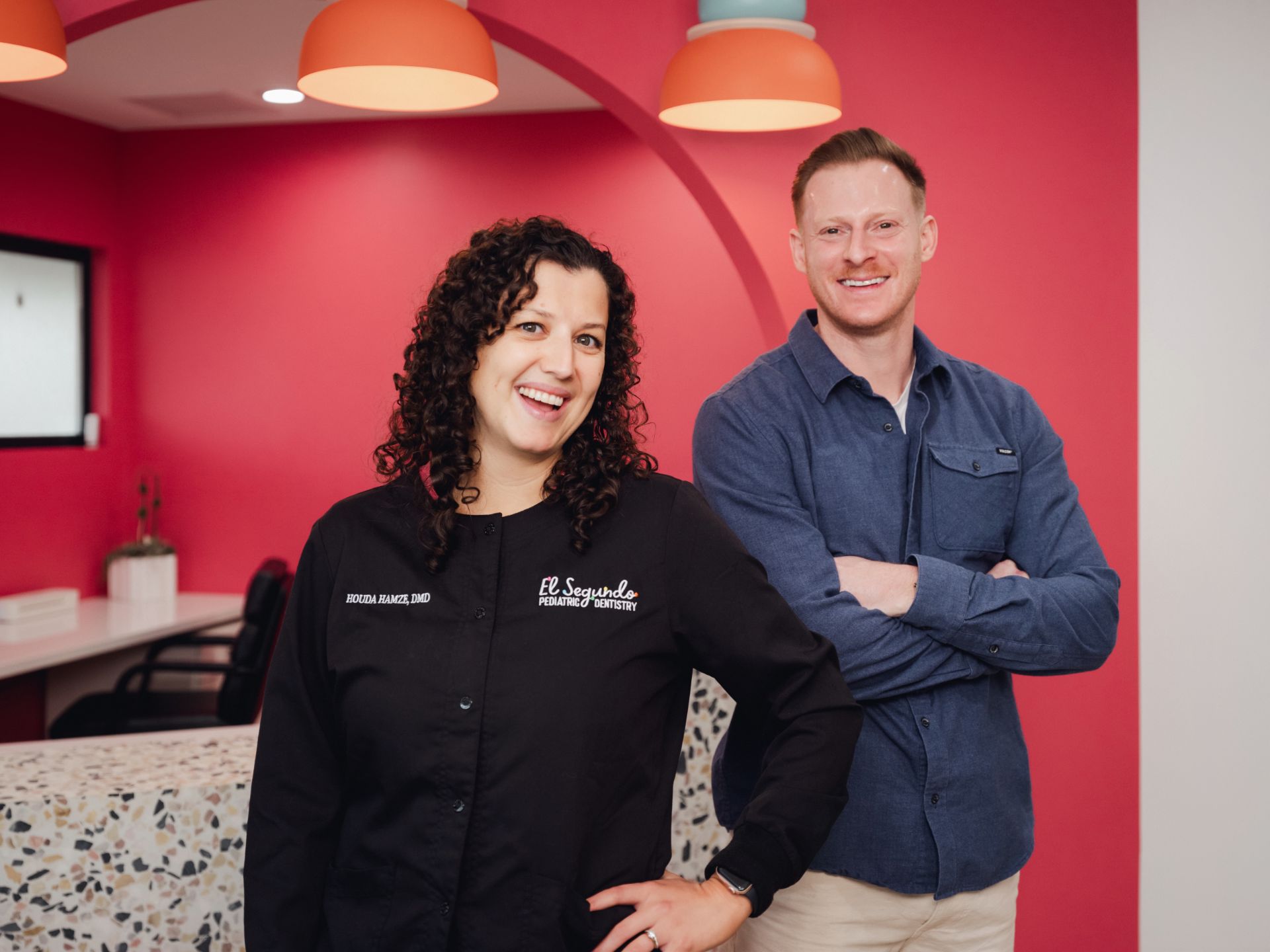
Dr. Hamze is a board-certified pediatric dentist trained at Tufts University School of Dental Medicine with a two-year pediatric residency at NYU Langone. She's worked with underserved communities alongside private practice, and she's a mom to four kids herself. The care she brings isn't just professional. It's personal.
Lip and tongue tie care is one of the biggest reasons families across El Segundo and the South Bay find their way to us, and it connects directly to how kids breathe. We have ongoing relationships with pediatricians, lactation consultants, and myofunctional therapists across Los Angeles County, so if your child needs more than one provider, you won't be left piecing it together on your own.
We go at a kid's pace, not a clock's, and if your child needs extra support during a procedure, we offer nitrous oxide and IV sedation administered by a pediatric anesthesiologist. We'll always walk you through the options before you decide anything. And if you're coming in for a second opinion, that is welcome here too.
Frequently Asked Questions
Is snoring in a young child normal?
Snoring during a cold is normal. Snoring most nights, especially with gasping or a lot of tossing and turning, is worth a closer look. We can check the mouth, jaw, tongue, and throat to see if something there is contributing, and we'll loop in your pediatrician or an ENT if needed.
My pediatrician hasn't mentioned the airway. Should I still come in?
Yes. It doesn't mean anything was missed. A well-child visit and a dental exam are just looking at different things. We're focused on the mouth, jaw, tongue, and palate with a mirror and a light at every visit. That's a level of detail a general checkup isn't set up to go into.
What age should we start paying attention?
If feeding was tough in infancy, that's already a reason to check in. Otherwise, any time you notice a pattern is a good time to bring it up. Catching something early usually means more options and simpler ones.
Does an airway evaluation hurt or scare kids?
Not at all. It's a mirror, a light, counting teeth, maybe an X-ray. Most kids find it pretty uneventful, and we always go at whatever pace your child needs.
Will my child need sedation?
Not for the evaluation. If a procedure like a frenectomy is the right next step, we'll talk through whether that means nothing extra, nitrous oxide, or IV sedation administered by a pediatric anesthesiologist. We'll always explain the why before you agree to anything.
Can mouth breathing really change how teeth come in?
It can. When kids breathe through their mouth, the tongue isn't pressing against the roof of the mouth the way it should be. That pressure is what helps the upper jaw widen naturally as they grow. Without it, the jaw can end up narrower and teeth more crowded. Catching it early gives you real options.
Let's Take a Look Together
You don't need to have everything figured out before you call. "My kid snores and I'm not sure if it's a big deal" is a completely valid reason to come in.
We'll take a careful look, tell you what we find in plain language, and help you decide what makes sense from there.
Call us at (424) 499-0019 or stop by at 502 Center Street in El Segundo. Want to know who you'll be meeting? Meet Dr. Hamze, or see everything we offer.
We can’t wait to meet you!
Call 424-499-0019 or request an appointment online to set up your first visit. We’ll be in touch soon.